Preventative Maintenance
Generator & Transfer Switch Services
During the middle of a power outage is not the time to discover your system has problems. A tailored PM program to meet your needs will greatly reduce the chance of your system failing when it has to perform. A comprehensive maintenance program is the best insurance your ATS will perform when needed the most.
Life safety is our #1 priority
We offer a range of customized Preventative Maintenance (PM) programs to our customers. Frequently, standby generator systems remain idle for long periods. Like any other equipment, generator systems should be periodically checked and undergo routine maintenance to ensure they are fully operational when required.
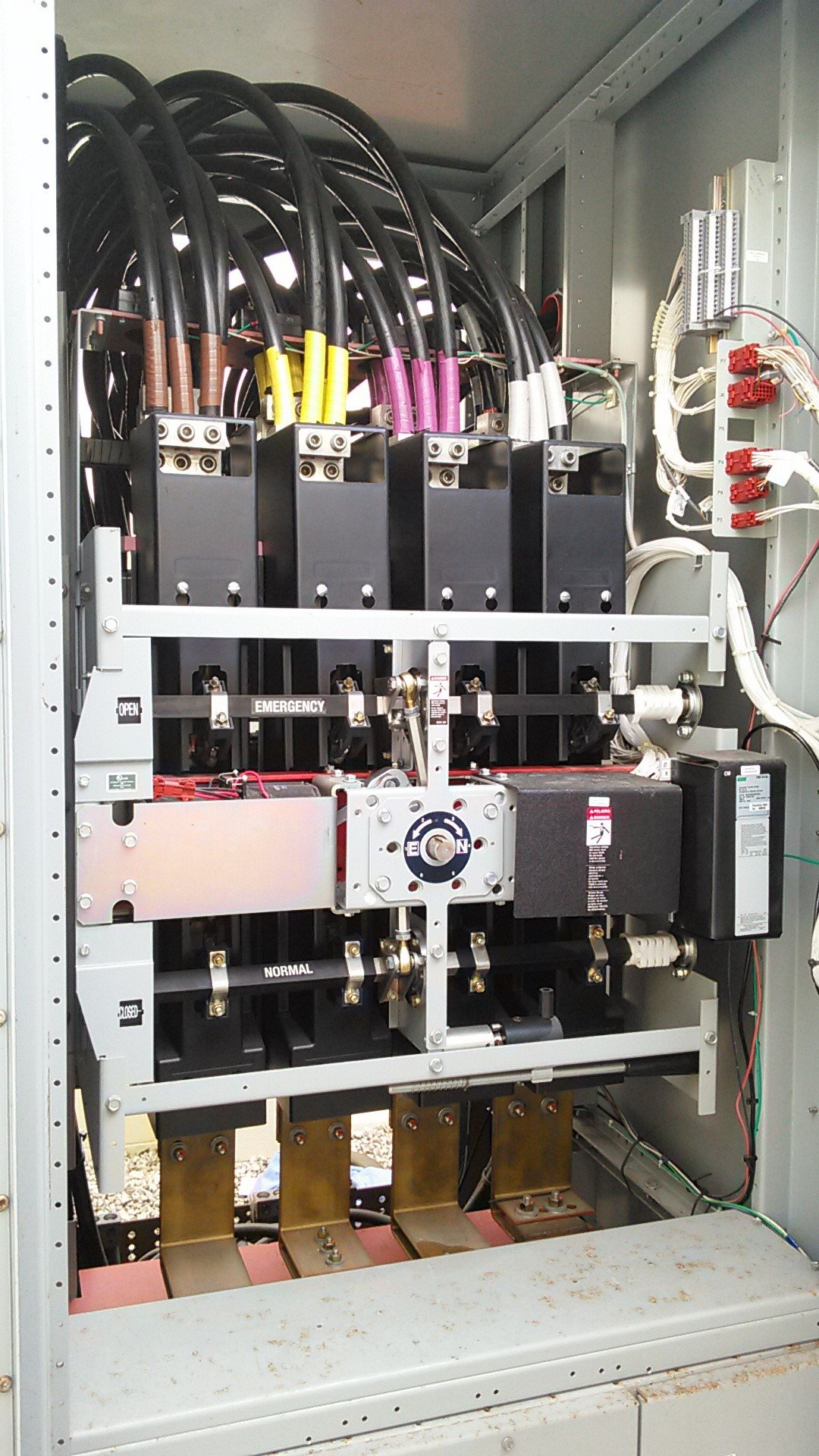
Automatic Transfer Switch Maintenance (ATSM) in accordance with the National Fire Protection Association 110, Standard for Emergency and Standby Power Systems. Few companies perform this work because of the specialized knowledge required, and even fewer perform this work to the NFPA standard.
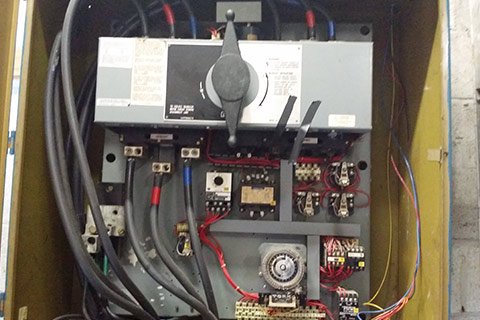
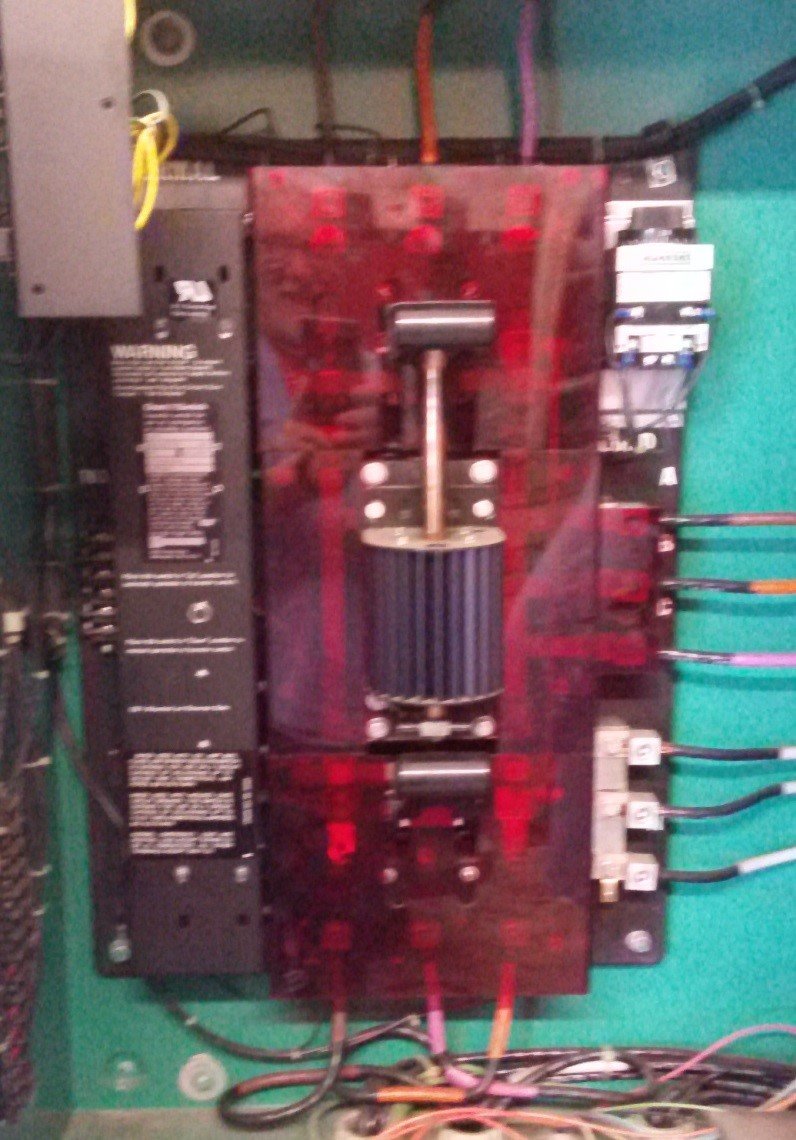
The Automatic Transfer Switch (ATS) is a critical component of your emergency backup system. The ATS detects when utility power is interrupted, and signals the generator to start. Once the generator reaches operating speed, typically within 5-10 seconds, the ATS transfers the desired load to the generator.
Once utility power is restored, the ATS takes readings from the service provider to inshore it is correct then re-transfers the building load back to service provider. Then the unit initiates the generator cool-down period, it will run for 15 – 30 minutes and shut-off process. Without proper cool down function of the generator systems your emergency backup power system may not operate when needed.
Monthly Testing (Sec. 8.4.2)
A monthly test is performed on Level 1 and Level 2 generators. A Level 1 generator is one whose failure could result in death or serious injury. A level 2 generator is one whose failure would not result in life-threatening injury.
Generator Tests among Other Safety Measures
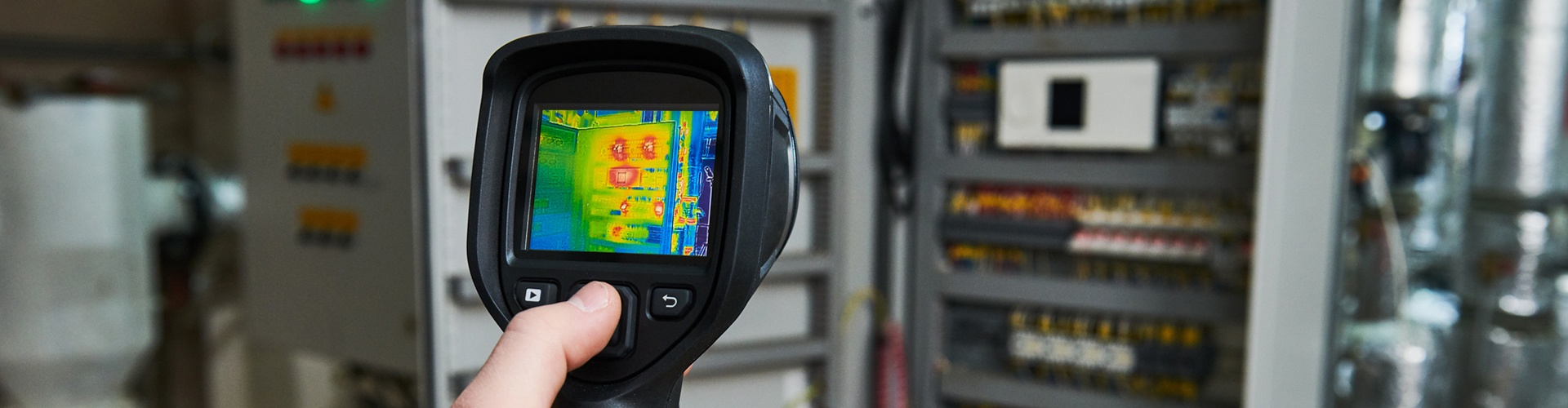
Monthly and annual generator tests are important measures for preparing generators for power outages, but they should not be the only measures. Building owners should see that their generators receive scheduled maintenance, annual infrared scanning, and modernization and retrofitting, as necessary.
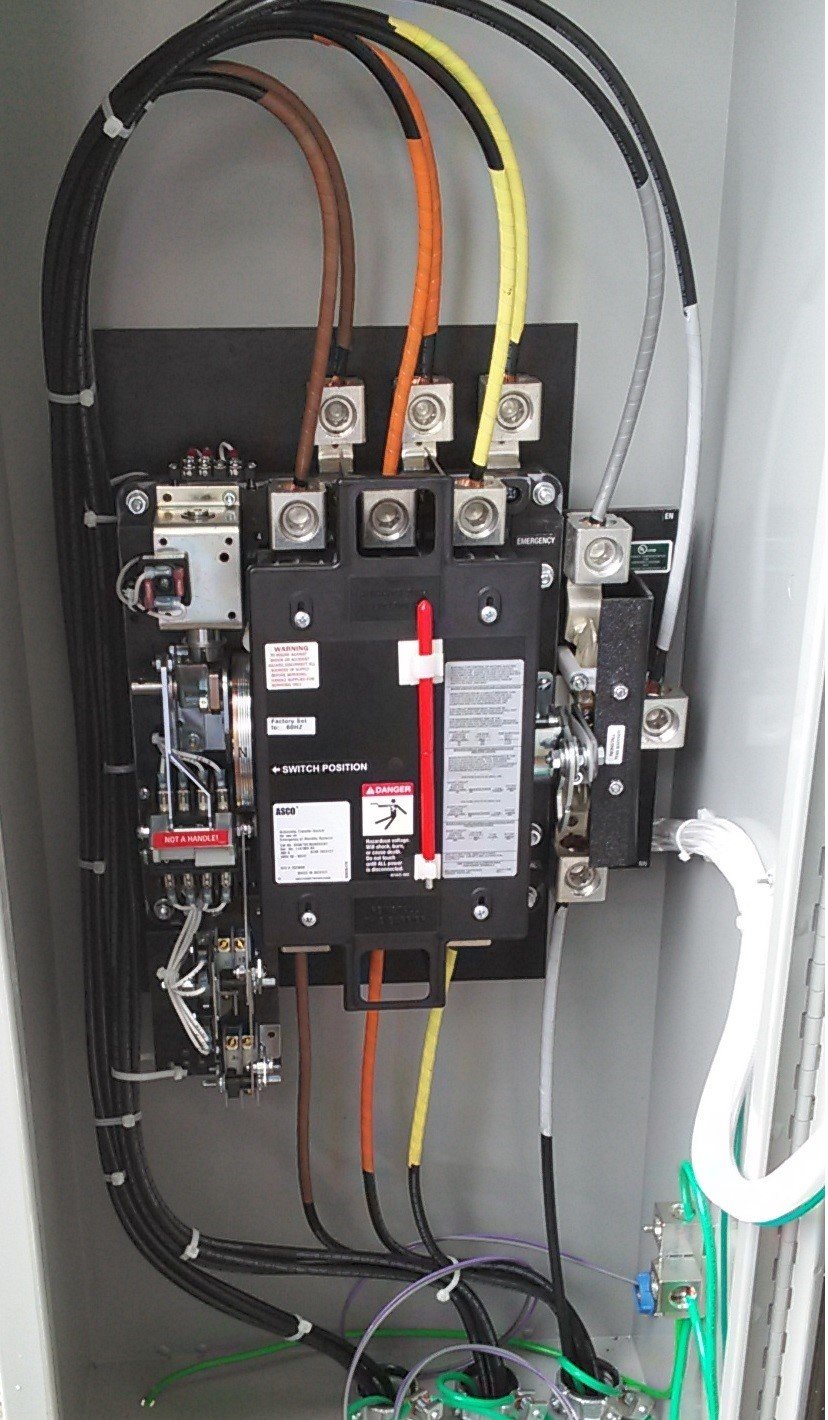
Transfer Switch Service & Repair
Full ATS service, cleaning and lubricating, contactor service and adjustment, voltage sensing calibration , ATS transfer testing and Generators services, transfer switches and related power backup system equipment at your location. Our experienced technicians understand your complete emergency power system requirements. We provide cost-effective generator repair and transfer switch service solutions with custom controls and remote monitoring for critical electrical equipment.
We offer the following services:
- 24hour service around the clock care
- Generator system repair & testing
- Transfer switch repair & upgrades
- Replacement parts and rebuilds
- Custom upgrades & controls
- Battery sales & service
- Fluid replacement “oil, coolant”
- Maintenance contracts
- Meggar testing generator” stator and rotor winding testing to check for insulation breakdown”
- Infrared scan of equipment “find hot spots”
- Power quality monitoring
Bundling of services saves you money
During the middle of a power outage is not the time to discover your system has problems. A tailored PM program to meet your needs will greatly reduce the chance of your system failing when it has to perform.